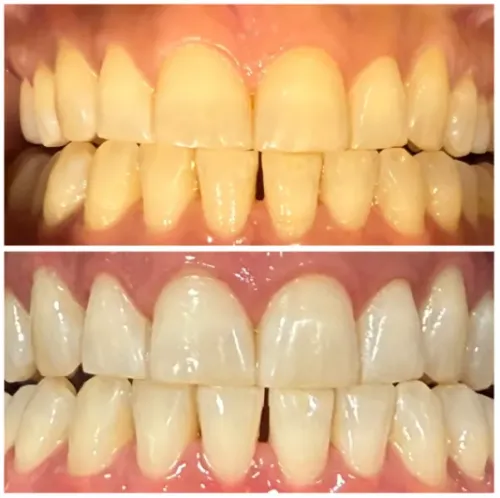
Dental veneers and composite bonding can both improve chipped, stained, uneven or mildly spaced teeth, but they differ in material, durability, treatment process and cost. At VIN SMILES Advanced Dentistry, Dr Neha Sachdeva evaluates the condition of the teeth, bite and cosmetic concern before recommending either option.
The right choice depends on how much correction is needed and whether the affected teeth are healthy enough for cosmetic treatment.
What are dental veneers?
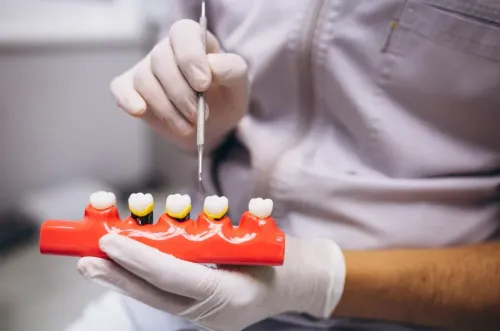
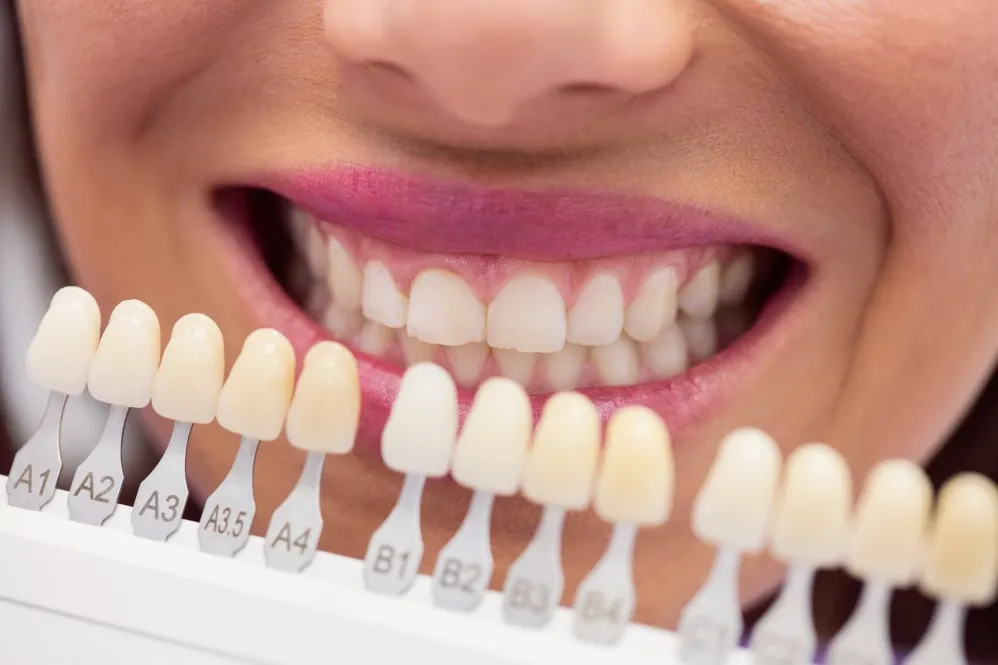
Dental veneers are thin shells placed over the front surfaces of teeth. They are commonly made from porcelain or ceramic and are individually designed to match the desired tooth shape and shade.
Veneers may be considered for:
- Persistent discolouration that does not respond to whitening
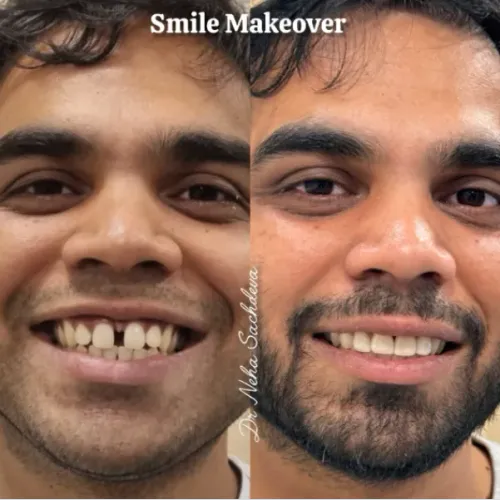
- Small gaps between front teeth
- Chipped or worn tooth edges
- Irregular tooth shapes
- Mildly crooked teeth
- Uneven tooth lengths
- Old bonding that has become stained
Some veneers require a small amount of enamel preparation. The extent depends on tooth position, the selected material and the intended change.
How does composite bonding work?
Composite bonding uses tooth-coloured resin applied directly to the tooth. The material is shaped, hardened and polished during the appointment. It can often be completed without laboratory fabrication.
Bonding is generally useful for minor cosmetic changes, such as repairing a small chip, closing a narrow gap or reshaping one uneven tooth. It may require little or no enamel reduction, depending on the case.
Dental veneer consultation in Chittaranjan Park
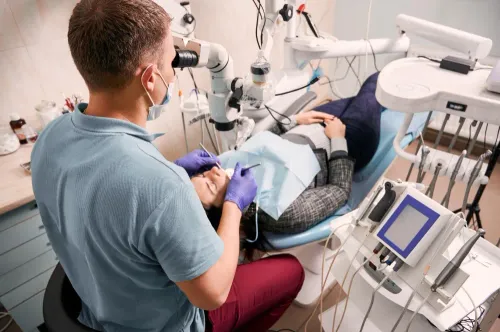
A dental veneer consultation in Chittaranjan Park should include an assessment of the gums, enamel, bite and existing restorations. Cosmetic treatment should not begin until cavities, gum disease or uncontrolled teeth grinding have been addressed.
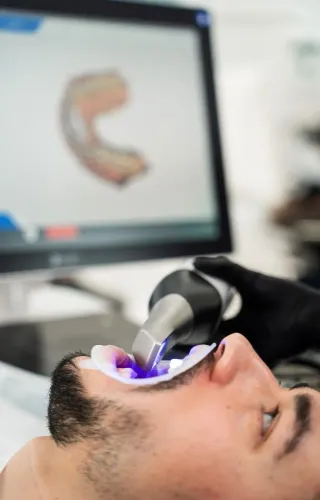
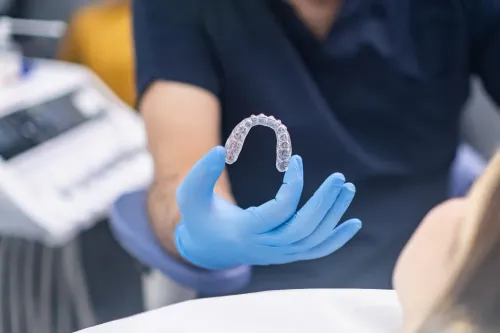
Patients should also discuss how much tooth preparation may be needed. Veneers are not automatically reversible, particularly when enamel is reduced. A digital preview or temporary mock-up may help demonstrate the proposed shape before the permanent restorations are made.
Veneers and bonding compared
Appearance
Porcelain veneers can reproduce the translucency and surface characteristics of natural enamel. They also resist staining better than composite resin. Bonding can look natural when carefully shaped and polished, but it may lose brightness or pick up stains over time.
Durability
Veneers generally offer greater resistance to wear and discolouration. Composite bonding may need more frequent polishing, repair or replacement, especially in patients who bite their nails or grind their teeth.
Treatment time
Bonding can often be completed in one appointment. Veneers usually require planning, tooth preparation, impressions or digital scans, and laboratory fabrication.
Repairability
A chipped composite restoration can often be repaired directly. A fractured porcelain veneer may need complete replacement, depending on the damage.
Cost
Bonding usually has a lower initial cost. Veneers involve laboratory work and advanced materials, making them a larger investment. Long-term maintenance should be considered alongside the starting price.
Which option should you choose?
Bonding may be appropriate when the concern is small, the enamel should be preserved and the patient accepts that maintenance may be needed. Veneers may be preferable when several front teeth need coordinated changes in colour, size or shape.
Neither treatment can correct every dental problem. Significant crowding may require orthodontics, while heavily damaged teeth may need crowns. Dr Neha Sachdeva can help determine which option offers a sensible balance of appearance, tooth preservation and durability.
Keywords