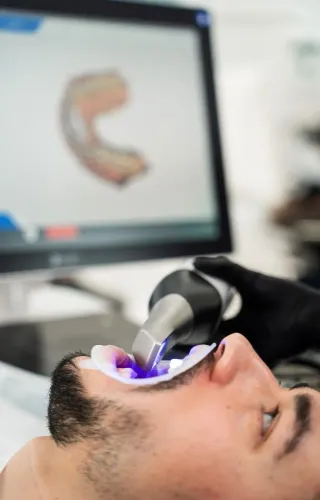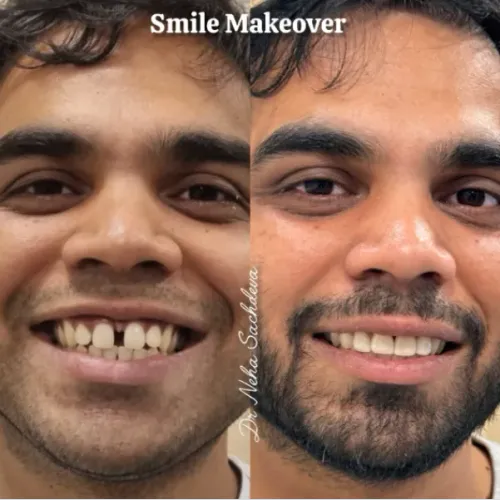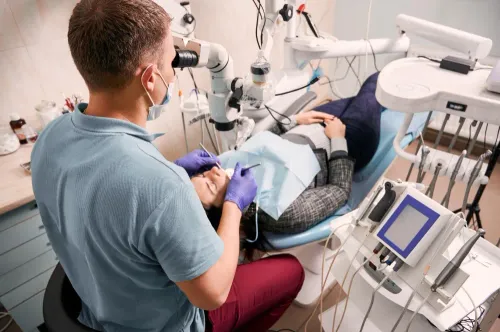
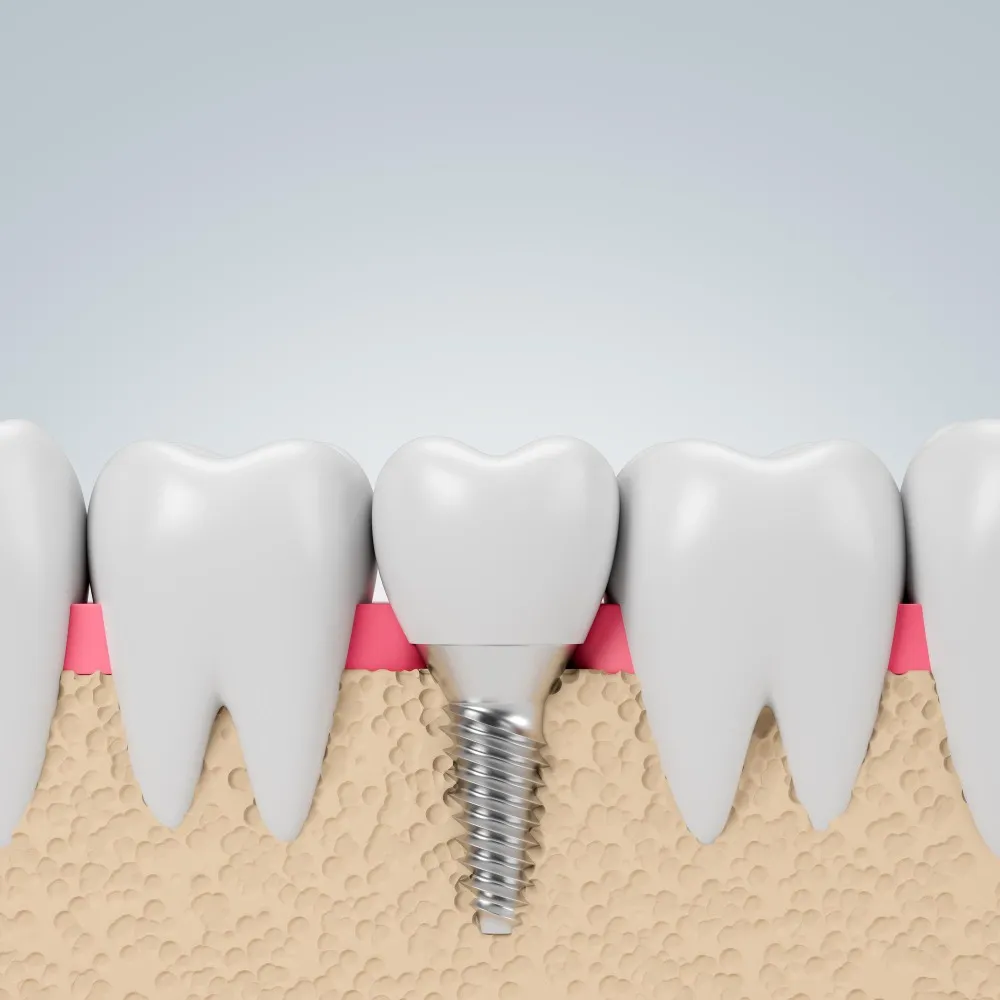
Dental implants are used to replace missing teeth by supporting a crown, bridge or denture. Digital dental implant treatment combines three-dimensional imaging, intraoral scanning and computer-assisted planning. At VIN SMILES Advanced Dentistry, Dr Neha Sachdeva uses the diagnostic findings to assess available bone, nearby anatomical structures, bite forces and the proposed replacement tooth.
The word “digital” does not describe a separate type of implant. It refers to the technology used during diagnosis, planning, impression-taking and guided placement in suitable cases.
What does digital implant planning involve?
A CBCT scan may be used to produce a three-dimensional view of the jawbone. It provides information about bone height, width and shape that may not be fully visible on a standard two-dimensional dental X-ray.
The scan can also help identify important structures such as nerves, sinus spaces and the roots of neighbouring teeth. An intraoral scanner records the shape of the teeth and gums, reducing the need for conventional impressions in many situations.
These records may be combined to plan the implant in relation to the future crown. This approach is called restoratively driven implant planning. In simple terms, the dentist considers where the replacement tooth should be positioned and then plans an implant location capable of supporting it.
What is a surgical guide?
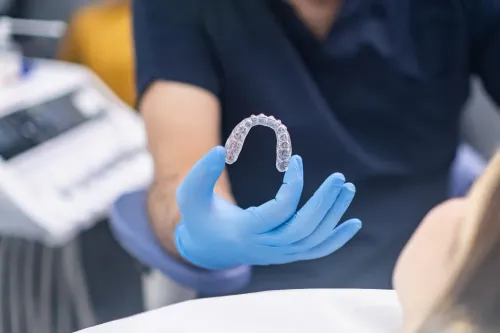
A surgical guide is a custom device created from the digital plan. It fits over the teeth or gums and contains an opening that helps guide implant drilling according to the proposed position and angle.
Depending on the case, guided implant surgery may offer:
- Better transfer of the digital plan
- Greater control over implant direction
- Improved consideration of nearby anatomy
- Coordination between implant placement and crown design
- Potentially smaller surgical access
- More organised planning for a temporary tooth
A guide is not necessary for every procedure. Conventional placement may be more appropriate when visibility, access, bone quality or another clinical factor requires a flexible surgical approach.
Digital dental implant assessment in Kailash Colony
Patients exploring digital dental implants in Kailash Colony should expect the consultation to cover more than the visible gap. Gum health, bone support, bite pressure, neighbouring teeth, oral hygiene and medical history all influence treatment suitability.
Technology can improve the quality of available information, but it cannot replace clinical judgement. The accuracy of the scan is valuable only when the findings are interpreted carefully and used to create a realistic treatment plan.
What happens when bone is insufficient?
Jawbone may shrink after a tooth has been missing for an extended period. If there is not enough support, the dentist may discuss bone grafting, ridge preservation, sinus augmentation or an alternative restoration.
Digital measurements help estimate the deficiency. Minor grafting may sometimes be completed during implant placement, while more extensive bone loss may require a separate healing period.
Several other factors can affect implant healing:
- Active gum disease
- Uncontrolled diabetes
- Heavy smoking
- Teeth grinding
- Poor oral hygiene
- Certain medicines or medical conditions
- Irregular follow-up care
Digital planning can support precision, but long-term success also depends on healthy tissue, careful surgical execution and proper maintenance. The aim is not merely to place an implant; it is to create a stable replacement tooth that looks natural and functions comfortably.
Keywords