Dental care has changed considerably over the past decade. Treatments that once depended heavily on manual impressions, conventional X-rays and multiple adjustment appointments can now be supported by digital imaging, computer-guided planning and more precise restorative techniques. For patients in Greater Kailash I, Delhi, understanding these developments can make it easier to evaluate treatment options and participate confidently in dental decisions.
Advanced Dentistry is not one particular procedure. It describes an approach that combines modern diagnostic tools, treatment planning and contemporary dental techniques to improve accuracy, comfort and predictability.
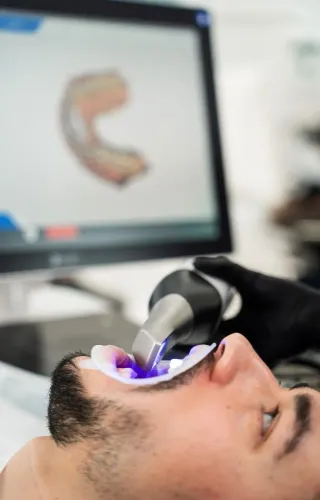
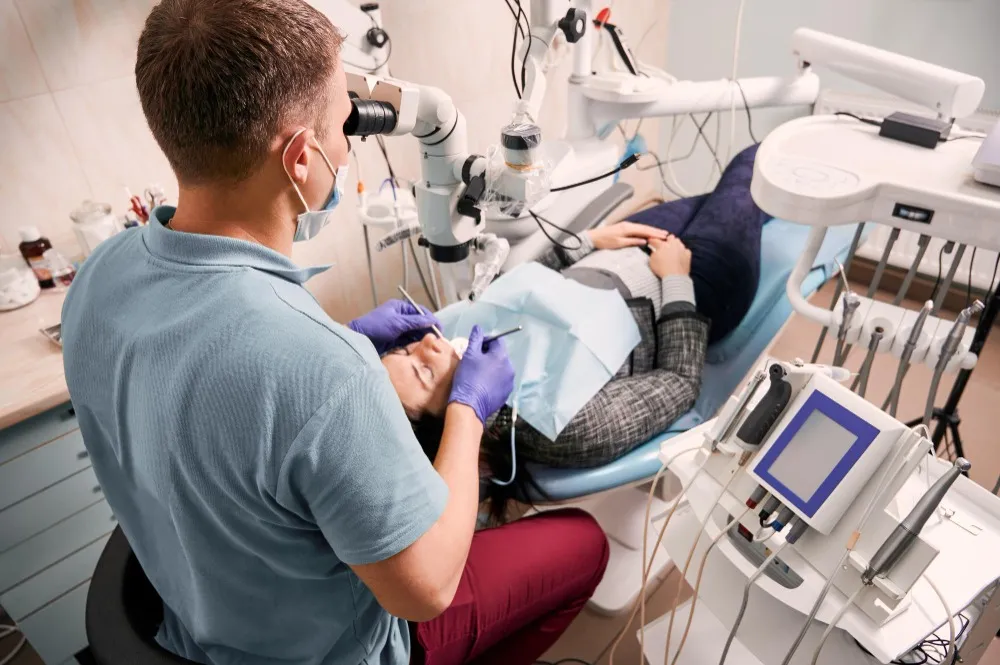
One of the biggest changes is digital diagnosis. High-resolution dental imaging can help dentists study teeth, bone, gums and surrounding structures in greater detail. Depending on the treatment, digital scans may also replace or reduce the need for traditional impression materials.
Modern dentistry can be particularly useful when several factors need to be considered together. A patient may have a damaged tooth, an uneven bite, missing teeth and cosmetic concerns at the same time. Treating each issue independently without considering the overall bite can sometimes produce an incomplete result. Comprehensive planning looks at how the different elements work together.
Common areas where advanced techniques may be used include:
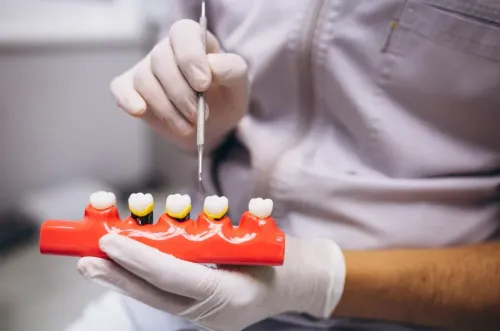
- Dental implant planning
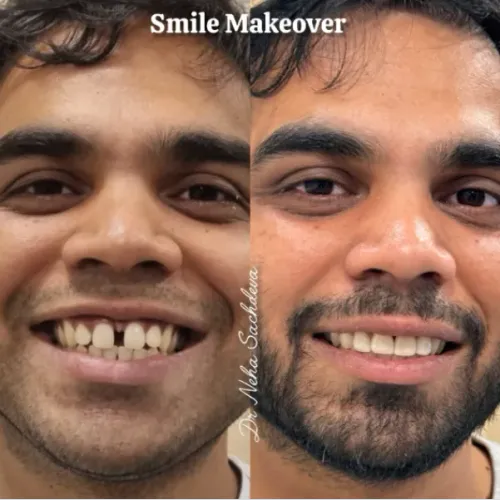
- Smile enhancement
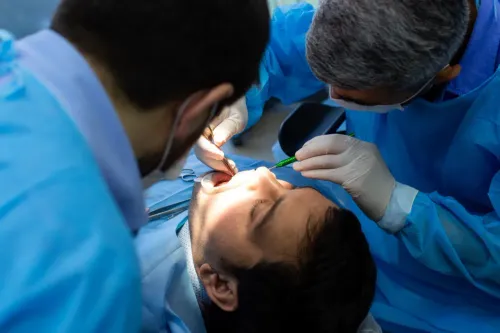
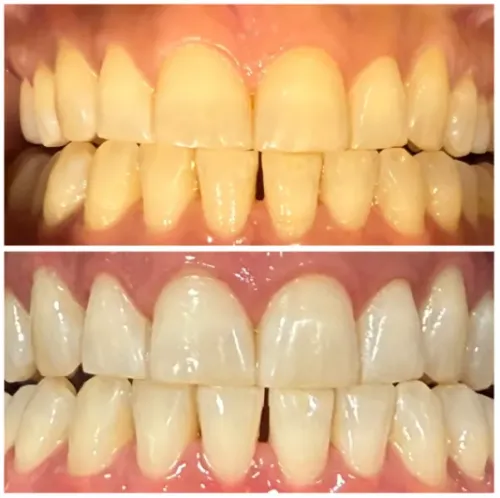
- Crowns and restorative dentistry
- Root canal procedures
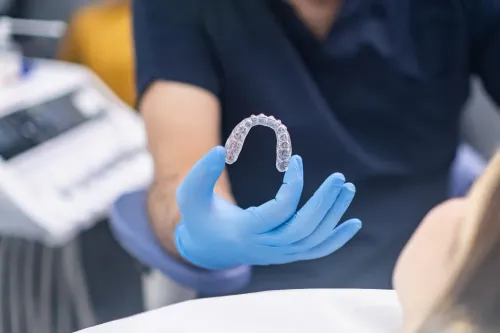
- Orthodontic alignment
- Full-mouth rehabilitation
- Preventive and periodontal care
Digital workflows can also improve communication. When patients can see scans, photographs or treatment simulations, it becomes easier to understand what the dentist has identified and why a particular treatment has been recommended.
Technology, however, is only part of good dentistry. Equipment cannot replace clinical judgement. A suitable treatment plan still depends on examination findings, oral health, bone and gum condition, bite, medical history and the patient's priorities.
This is particularly relevant when comparing dental clinics across South Delhi. Instead of choosing a treatment simply because it uses a newer technology, patients should ask how that technology contributes to diagnosis or treatment planning.
For example, a digital scan may improve restorative planning, but the final restoration still needs appropriate design and bite adjustment. Similarly, computer-assisted implant planning can provide valuable information about implant positioning, but bone quality and overall oral health remain important considerations.
Vin Smiles Advanced Dentistry serves patients seeking contemporary dental care in Greater Kailash I and surrounding parts of Delhi. A detailed assessment can help establish whether a straightforward treatment or a more comprehensive approach is appropriate.
Modern dental care works best when technology supports careful diagnosis rather than replacing it. For patients, the practical advantage is clearer information, better-informed decisions and treatment planned around the condition of the whole mouth rather than an isolated tooth.
Keywords