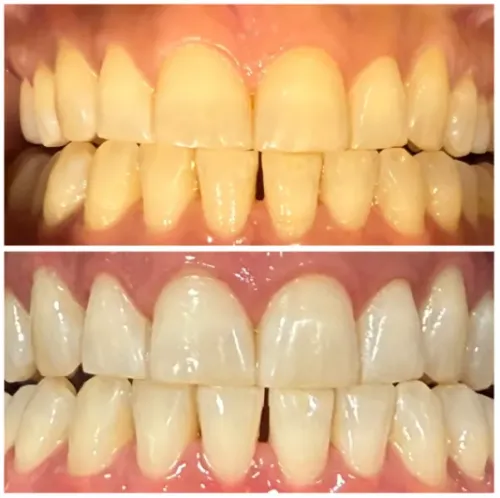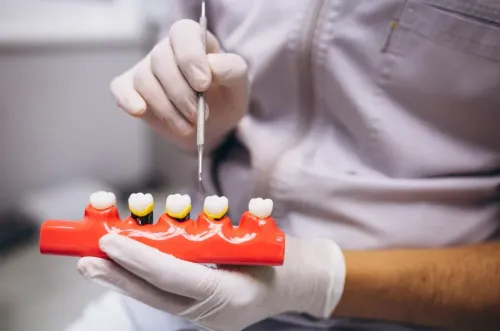
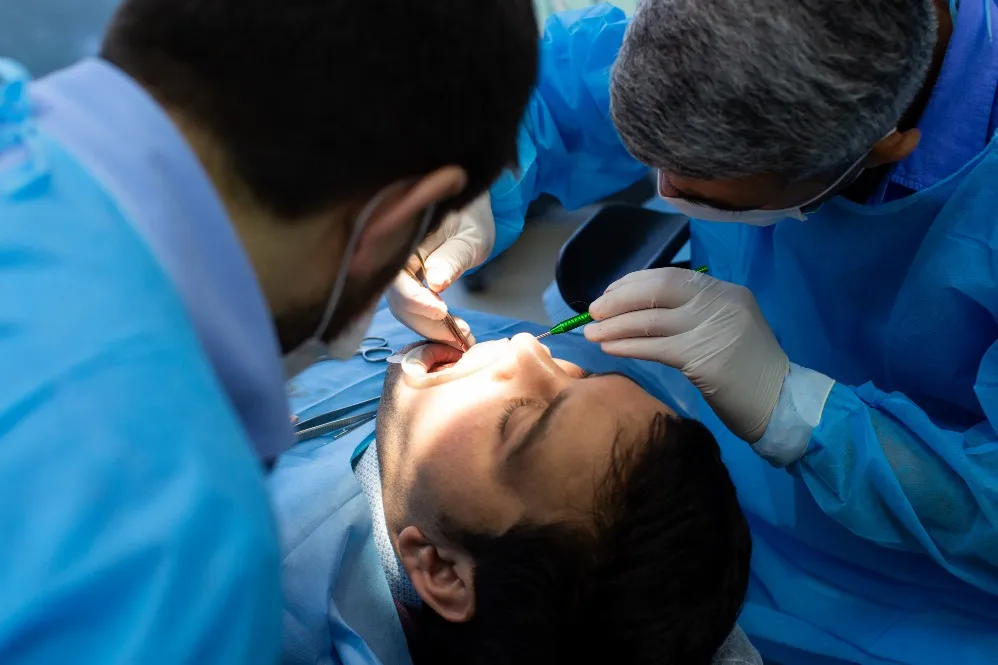
Single-sitting root canal treatment aims to clean, disinfect and seal an infected tooth during one clinical appointment. It can reduce the number of visits required, but it is not suitable for every tooth or every infection. At VIN SMILES Advanced Dentistry, Dr Neha Sachdeva evaluates symptoms, X-rays, tooth structure and infection severity before deciding whether treatment can be completed in one sitting.
The priority should always be predictable infection control and preservation of the tooth—not finishing the procedure quickly at any cost.
When may single-sitting treatment be suitable?
A one-visit root canal may be considered when:
- The tooth canals can be accessed and cleaned predictably
- There is no uncontrolled swelling
- Drainage is not continuing through the tooth
- The patient can tolerate a longer appointment
- The tooth has enough remaining structure for restoration
- The canal anatomy can be managed safely
- There are no complications requiring observation between visits
Modern rotary instruments, electronic measurements and effective irrigation techniques can make single-visit treatment possible in many appropriately selected cases.
When might multiple visits be better?
Treatment may be divided across appointments when there is persistent infection, significant swelling, complex canal anatomy or difficulty drying the canals. A dentist may place medicine inside the tooth temporarily before completing the final seal.
Multiple visits may also be advisable if the patient cannot comfortably keep the mouth open for an extended period or if additional assessment is needed.
Neither method is automatically superior. Case selection and quality of cleaning are more important than the number of appointments.
Choosing single-sitting root canal treatment in Hauz Khas
Patients considering single-sitting root canal treatment in Hauz Khas should look for a provider who explains why the tooth qualifies for the approach. A dental X-ray and clinical examination should be completed before treatment begins.
The dentist should also assess whether the tooth can be restored afterward. A technically successful root canal may still fail if the tooth is severely cracked or cannot support a durable filling or crown.
Clear information about the final restoration, total treatment plan and follow-up schedule helps prevent unexpected decisions later.
What happens during the procedure?
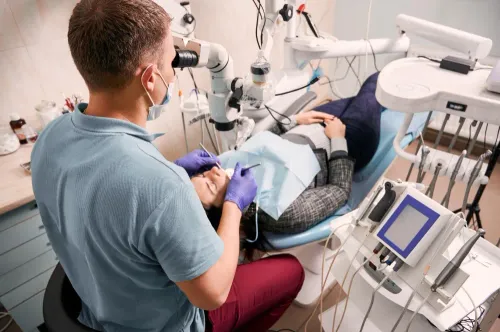
Local anaesthesia is used to numb the tooth. The dentist then creates an opening to reach the infected or inflamed pulp tissue. The canals are identified, measured, shaped and disinfected.
After cleaning, the canals are filled and sealed to reduce the possibility of reinfection. The access opening is closed with a temporary or permanent restoration, depending on the condition of the tooth and the planned final treatment.
What should patients ask before proceeding?
A reliable consultation should address:
- Is the tooth suitable for a single visit?
- Is there an abscess or extensive infection?
- How complex is the canal anatomy?
- Can the tooth be restored after treatment?
- Will a crown be required?
- What discomfort can be expected afterward?
- When should the tooth be reviewed?
When is urgent attention necessary?
Mild tenderness after treatment can occur, particularly when biting. However, increasing swelling, severe pain, fever or difficulty opening the mouth requires prompt evaluation.
Delaying treatment for an infected tooth can allow the problem to spread and reduce the possibility of saving it. Persistent toothache, prolonged sensitivity, pain while chewing or swelling near a tooth should therefore be examined early.
To determine whether your tooth is suitable for single-sitting root canal treatment, schedule a diagnostic consultation with Dr Neha Sachdeva.
Keywords