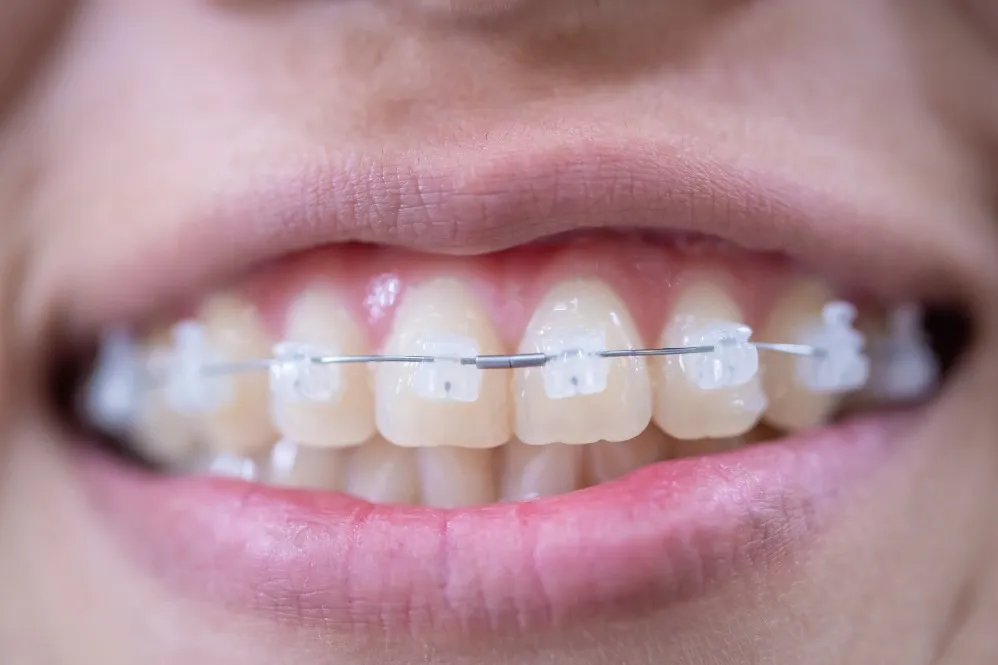
Ceramic braces offer the control of fixed orthodontic treatment with a less noticeable appearance than conventional metal braces. They use tooth-coloured or transparent brackets connected by an orthodontic wire. At VIN SMILES Advanced Dentistry, Dr Neha Sachdeva evaluates tooth alignment, bite position and gum health before recommending ceramic braces.
They can be suitable for teenagers and adults who want dependable orthodontic correction but prefer brackets that blend more naturally with their teeth.
Who may benefit from ceramic braces?
Ceramic braces can treat many of the same concerns as metal braces, including:
- Crowded or overlapping teeth
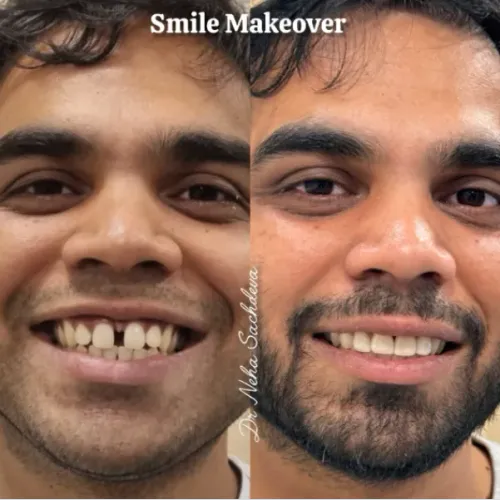
- Gaps between teeth
- Rotated teeth
- Protruding front teeth
- Certain overbites and underbites
- Selected crossbites
- Tooth movement after previous orthodontic treatment
Because the brackets remain fixed, patients do not need to remember to wear removable trays. This can make ceramic braces useful for people who want a discreet option but may find it difficult to follow the daily wear requirements of clear aligners.
Ceramic braces or clear aligners?
Both options can be less visible than traditional braces, but they suit different needs.
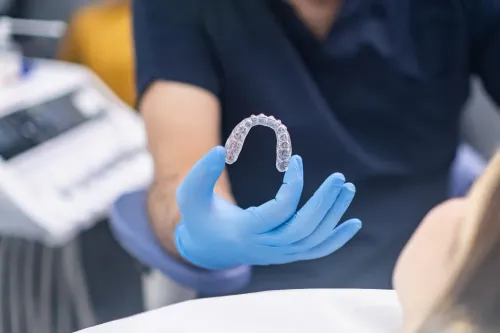
Clear aligners can be removed for eating and brushing. However, they generally need to be worn for approximately 20 to 22 hours each day. Ceramic braces remain attached to the teeth and work continuously.
Fixed braces may offer greater control for certain rotations, vertical movements and complex bite corrections. Aligners may be preferred by patients who value removability and are confident about following a strict wear schedule.
The decision should be based on treatment requirements rather than appearance alone.
Choosing ceramic braces in South Extension
When comparing ceramic braces in South Extension, patients should ask who will supervise treatment, how often reviews will be required and whether the proposed system can manage their specific bite problem.
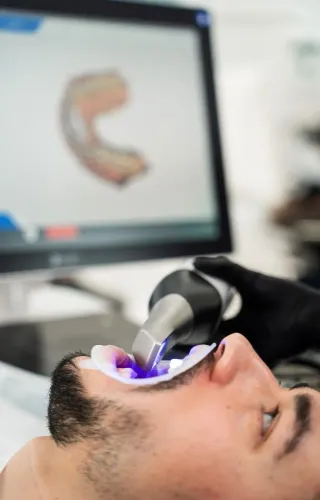
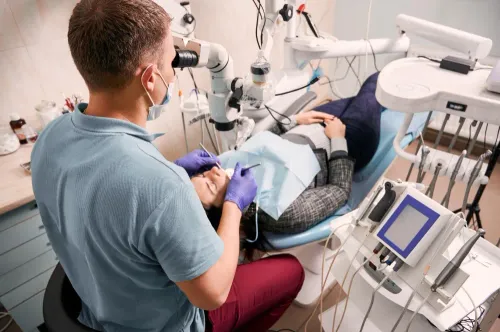
A complete consultation should include an examination of the teeth and gums, orthodontic records and suitable X-rays. Starting braces while gum disease or untreated decay is present can create avoidable complications.
Convenient access to follow-up appointments is also important. Fixed braces require regular adjustments, and loose brackets or damaged wires should be checked promptly.
What should you know before starting?
Ceramic brackets are designed for durability, but they can be more brittle than metal brackets. Patients should avoid biting hard foods that could damage them.
The brackets themselves resist staining, although clear elastic ties around them may discolour from tea, coffee, tobacco or strongly coloured foods. Good brushing and periodic professional cleaning help maintain their appearance.
Before beginning treatment, ask these practical questions:
- How long is treatment expected to take?
- Will tooth extraction be required?
- What type of wires and brackets will be used?
- How often are adjustment visits needed?
- What happens if a bracket breaks?
- Are retainers included in the treatment plan?
- How will progress be monitored?
What happens after the braces are removed?
Teeth naturally tend to shift after orthodontic treatment. Retainers are therefore necessary to protect the corrected alignment. Depending on the case, the dentist may recommend removable retainers, fixed retainers or a combination of both.
Treatment readiness involves more than choosing a bracket colour. Healthy gums, manageable cavities and a willingness to maintain careful oral hygiene are essential.
To find out whether ceramic braces are appropriate for your alignment needs, schedule an orthodontic assessment with Dr Neha Sachdeva.
Keywords