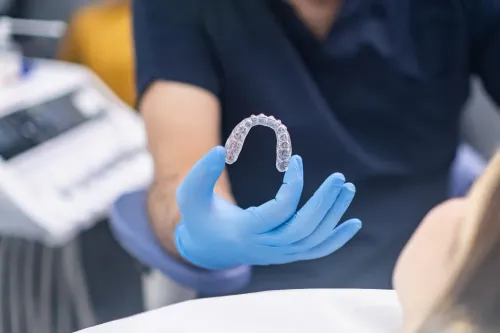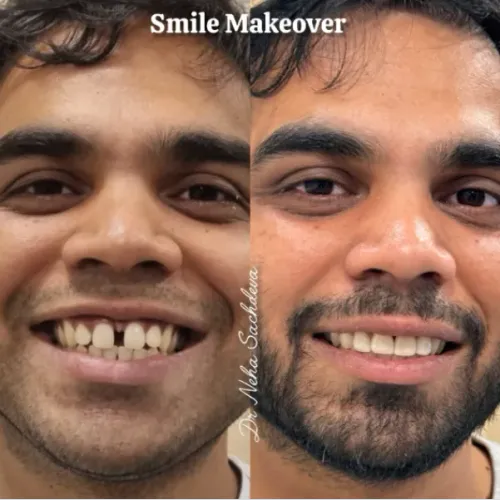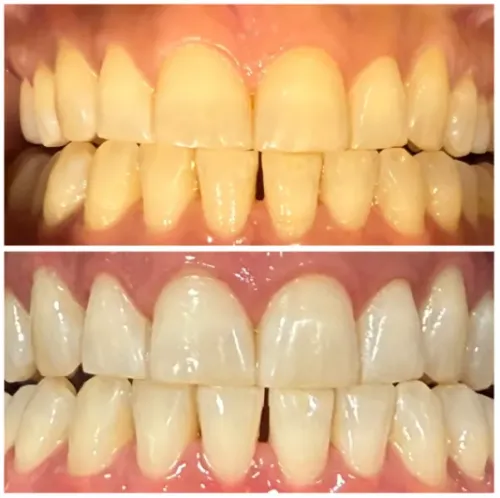
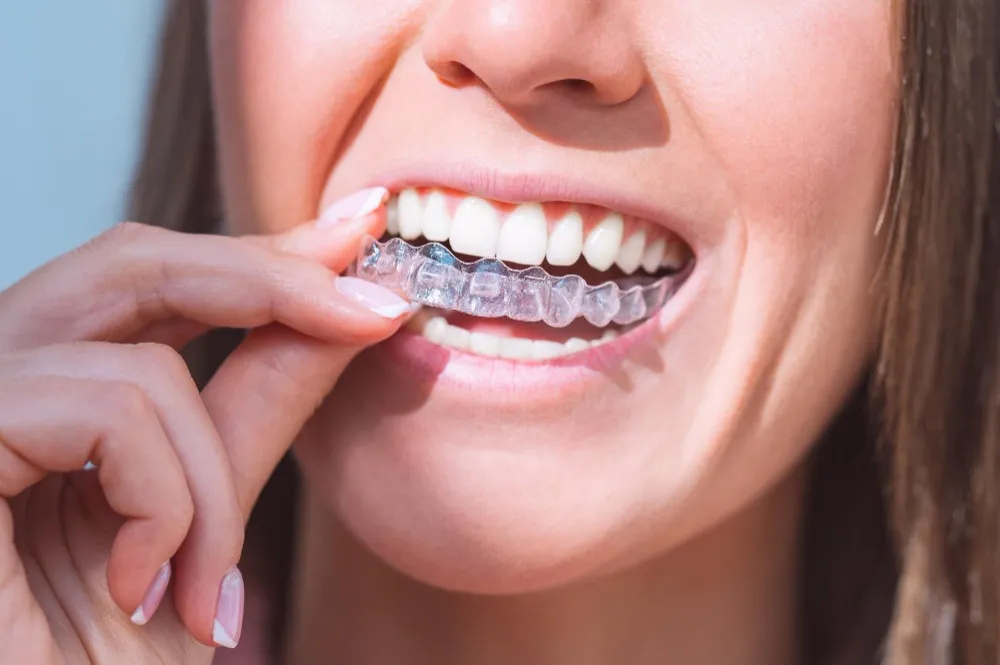
Invisalign treatment uses a planned series of clear, removable aligners to move teeth gradually. At VIN SMILES Advanced Dentistry, Dr Neha Sachdeva examines tooth alignment, gum health and bite function before determining whether clear aligners are suitable for a patient.
Many adults and teenagers prefer Invisalign because the trays are less noticeable than conventional braces. They can also be removed during meals, brushing and flossing. However, their convenience does not make treatment effortless. Predictable results depend on accurate planning, regular monitoring and consistent daily wear.
What happens during an Invisalign consultation?
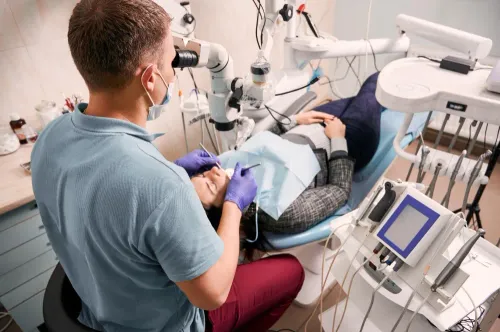
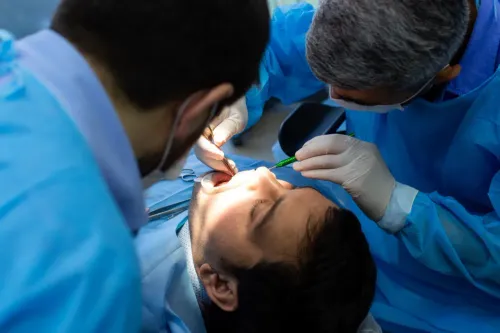
The first appointment usually includes an examination of the teeth, gums and jaw relationship. The provider checks for crowding, gaps, rotated teeth and bite discrepancies. Cavities or gum inflammation may need to be treated before orthodontic movement starts.
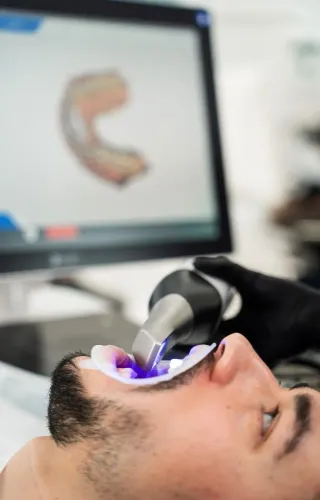
An intraoral scanner can capture a three-dimensional model of the teeth. This model is used to plan how each tooth should move and in what sequence. Patients may also be shown a digital simulation of the proposed alignment, but it should be understood as a planning tool rather than a guaranteed result.
What problems can Invisalign treat?
Clear aligners may be suitable for:
- Mild to moderate crowding
- Gaps between teeth
- Rotated or crooked front teeth
- Certain overbites and underbites
- Selected crossbites
- Tooth movement after previous orthodontic treatment
- Some complex alignment problems with supporting techniques
Not every orthodontic condition can be corrected predictably with aligners alone. Significant jaw discrepancies, impacted teeth or highly complex movements may require fixed braces or a combined approach. A proper assessment should explain both the possibilities and limitations.
Invisalign treatment in East of Kailash
Patients considering Invisalign in East of Kailash should look beyond the visibility of the aligners. They need to understand who will plan the treatment, how progress will be monitored and what happens if the teeth do not move according to the original sequence.
Routine appointments allow the provider to check whether the aligners fit properly and whether individual teeth are tracking as expected. Timely reviews are also helpful if an attachment becomes loose, a tray is damaged or the patient experiences unexpected discomfort.
Why are tooth-coloured attachments required?
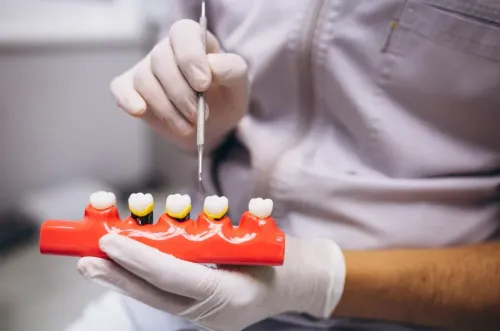
Small attachments may be bonded temporarily to selected teeth. These shapes give the trays a better grip and help create controlled movements that may be difficult with a smooth aligner alone.
Some patients also need orthodontic elastics to improve the bite. Attachments and elastics are often included in the original treatment plan and do not indicate that aligner therapy has failed.
How should aligners be worn?
Most patients are instructed to wear their trays for approximately 20 to 22 hours daily. Leaving them out for long periods may delay movement and prevent the next set from fitting correctly.
Helpful daily practices include:
- Remove aligners before eating.
- Avoid hot or coloured drinks while wearing them.
- Brush before reinserting the trays.
- Clean aligners with cool water and suitable products.
- Keep them in their case when not in use.
- Change each set only as instructed.
Retainers are required after active treatment because teeth naturally tend to move. Before beginning, patients should ask about treatment duration, refinements, retainers and follow-up care. Invisalign works best when professional supervision is combined with disciplined wear and good oral hygiene.
Keywords