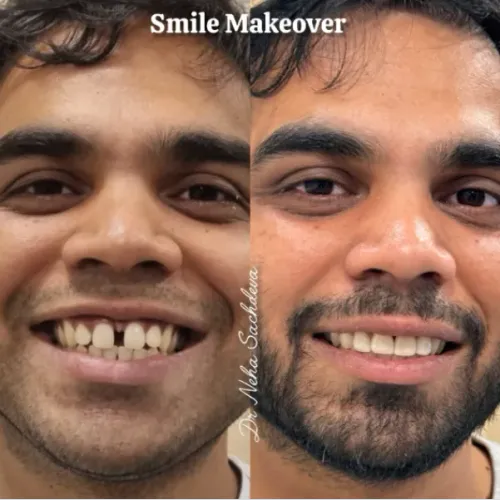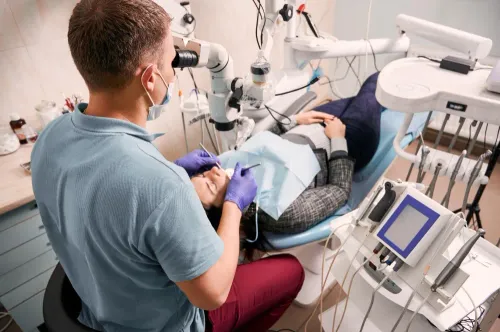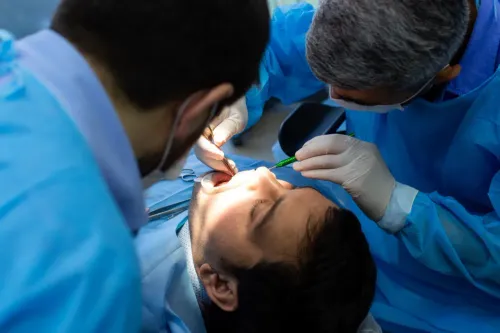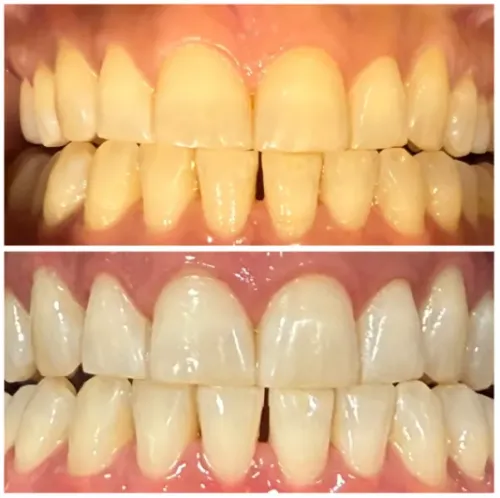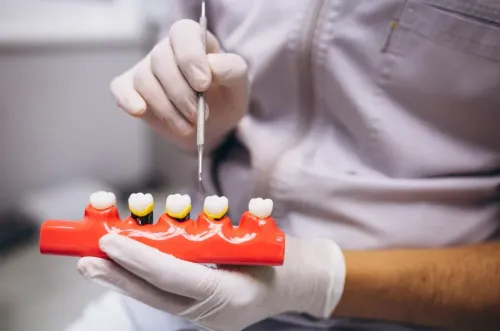
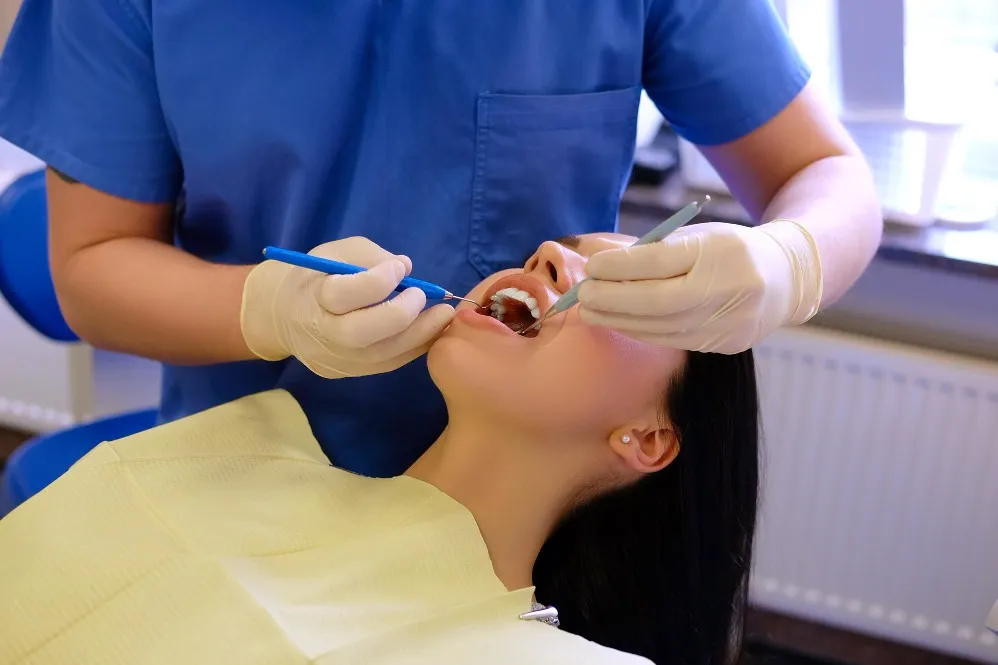
Full mouth rehabilitation is a coordinated treatment process used when several teeth, the bite and supporting oral structures require restoration. It is more comprehensive than repairing one damaged tooth. At VIN SMILES Advanced Dentistry, Dr Neha Sachdeva develops the plan after evaluating tooth condition, gum health, jaw function and the way the upper and lower teeth meet.
The objective is to restore comfortable chewing, improve stability and protect the remaining teeth. Cosmetic improvement may be part of the result, but function and oral health guide the treatment.
Signs that may indicate extensive rehabilitation
A person may need a comprehensive assessment when experiencing:
- Multiple broken, decayed or missing teeth
- Severe tooth wear
- Difficulty chewing
- Frequent fractures of fillings or crowns
- Changes in the bite
- Jaw fatigue or muscle discomfort
- Loose or poorly fitting dentures
- Sensitivity affecting several teeth
- Reduced tooth length caused by grinding
- Compromised appearance combined with functional problems
These signs do not automatically mean every tooth needs treatment. Some teeth may remain healthy and require only monitoring or preventive care.
Why isolated repairs may keep failing
Repeatedly repairing individual teeth without examining the bite can leave the underlying problem unresolved. A crown may fracture because of excessive biting pressure rather than because of the material itself. A filling may keep breaking when neighbouring teeth are missing and the remaining teeth carry too much force.
Full mouth rehabilitation looks at these relationships together. The plan may redistribute pressure, replace missing support and restore teeth in a carefully organised sequence.
Full mouth rehabilitation planning in Kalkaji
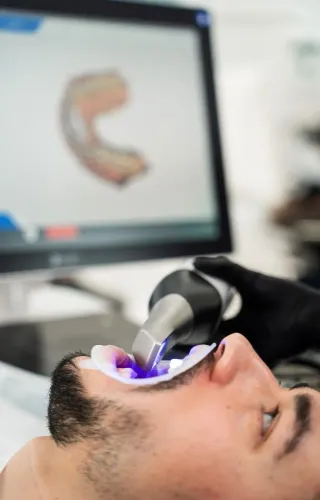
Patients considering full mouth rehabilitation in Kalkaji should expect the planning stage to take more than one brief examination. Dental photographs, X-rays, digital scans and bite records may be required to understand the extent of damage and determine which teeth can be preserved.
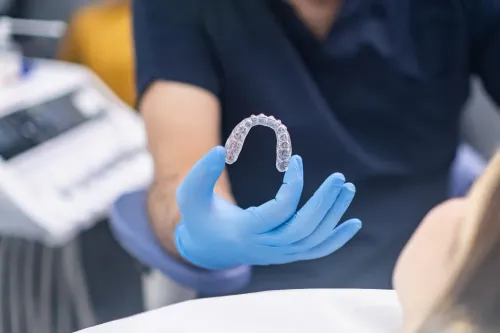
The dentist may also use temporary restorations to test changes in tooth shape and bite height. This trial stage can help assess comfort, speech and appearance before permanent restorations are completed.
What treatments can be included?
The final combination varies from person to person and may involve:
- Tooth-coloured fillings
- Root canal treatment
- Crowns or bridges
- Dental implants
- Gum treatment
- Bone grafting
- Veneers
- Removable or fixed dentures
- Orthodontic correction
- Night guards for teeth grinding
Not every patient needs all these procedures. A phased plan is often used so that urgent infection, pain or unstable teeth are managed first.
How is the treatment sequence decided?
The process generally begins with disease control. Cavities, gum infection and teeth with poor prognoses are addressed before permanent restorations are made. Missing teeth and bite support are then planned so that the final crowns, implants or dentures work together.
Patients should ask:
- Which teeth can be saved?
- Which problems require immediate treatment?
- Are temporary restorations necessary?
- How will the bite be assessed?
- What maintenance will be required?
- Can treatment be divided into manageable phases?
Full mouth rehabilitation should not simply replace every visible tooth with a crown. The strongest plan preserves healthy natural tissue wherever possible and uses restorations only where they provide clear functional value.
A detailed evaluation with Dr Neha Sachdeva can clarify whether limited treatment is sufficient or whether a coordinated rehabilitation plan would provide better stability.
Keywords